
Best Belly Fat Exercises That Actually Work
(Cardio, HIIT, Strength, and Core)
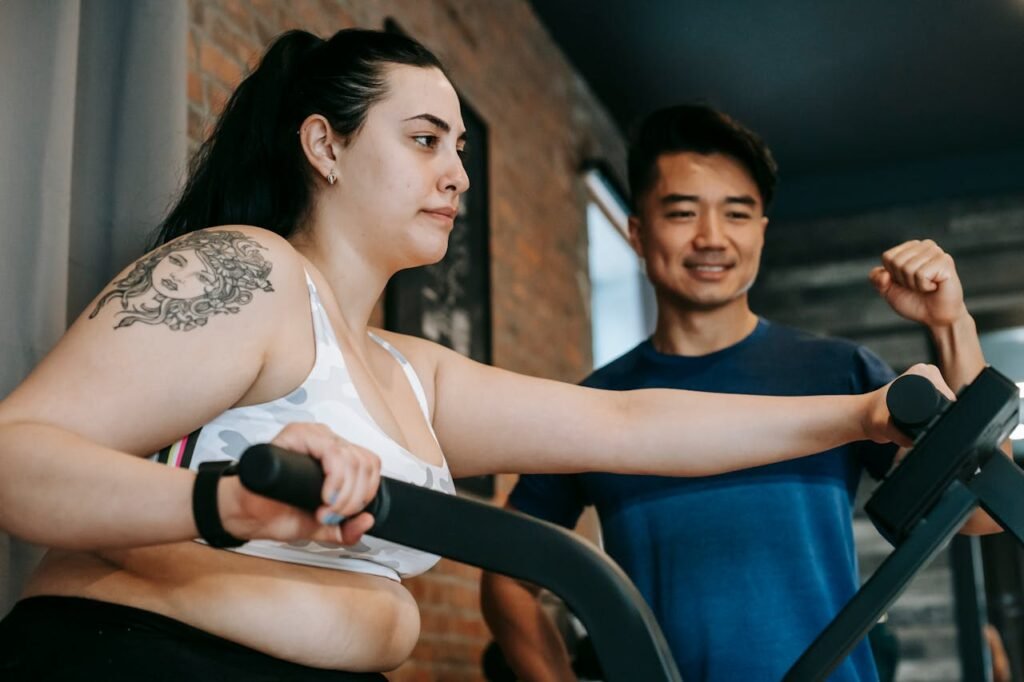
If you’re busy, frustrated, and tired of workouts that promise a flat stomach but don’t change your waist, you’re not alone. You’ve probably tried endless crunches, “lower belly fat exercises,” and sweaty routines that left you sore without real progress.
Here’s the truth you can build on: you can’t spot-reduce belly fat (not your lower belly, not love handles). But you can lose overall body fat and tighten your core so your waist looks smaller, your posture looks taller, and your midsection feels stronger.
This plan is simple and proven: steady cardio for fat loss, a couple of short HIIT sessions, full-body strength training, then core finishers for that “flat belly” look. Core work helps your bracing and shape, but fat loss comes from full-body work plus consistency.
What really makes belly fat go away (and what most workouts get wrong)
Most “exercises to burn belly fat” get one big thing wrong: they treat your stomach like it’s a separate project. Your body doesn’t work that way. When you burn fat, you pull energy from stores all over, and where you lose first (or last) is mostly genetics, hormones, sleep, and your starting point.
So what’s the real goal? Reduce overall fat, protect your muscle, and build a strong core that holds you together. When you keep muscle while dropping fat, your waist often tightens faster, and your body looks more “fit” at the same scale weight.
Use these targets as your no-drama guide:
- Cardio: 150 to 300 minutes per week (walking counts).
- Strength training: 2 to 4 days per week (full-body is perfect).
- HIIT: 2 to 3 short sessions per week if you recover well.
- Daily movement: 8,000 to 10,000 steps per day.
Quick safety note: if you’re pregnant, postpartum, or managing injuries (especially back, hip, or knee pain), talk with a clinician or qualified coach first. During workouts, stop if you feel sharp pain, dizziness, or numbness.
The fastest fat burners for your waist: cardio, HIIT, and lifting
“Fastest fat burner” doesn’t mean instant, it means the best return on your time over weeks. Cardio burns calories reliably and improves your endurance, which lets you train more. HIIT packs hard effort into a short window, and you often keep burning extra energy after you finish. Strength training helps you keep muscle while you lose weight, which supports your shape and makes “tummy flattening exercise” results show up sooner.
Good cardio choices include brisk walking, running, cycling, rowing, jump rope, and stairs. Pick the one you can repeat. If your joints get cranky, choose low-impact options (bike, rower, incline walking). If your schedule is tight, choose the one you can do at home.
How to tell you are doing enough, without tracking every calorie
You don’t need perfect tracking to know you’re on the right path. Look for simple signs: workouts feel a little easier, you add reps or minutes, your waist measurement trends down, and your clothes fit looser around the midsection.
For intensity, use this: during steady cardio, you should be able to talk in short sentences. During HIIT, you should be breathless but controlled, and you should recover enough to repeat the next round with decent form. If you’re wiped for days, scale it back. Consistency beats hero workouts.
The best belly fat exercises that actually work (home-friendly and time-efficient)
The best belly fat exercises are really a smart mix: cardio to drive fat loss, strength to keep muscle, then core work to tighten and support your midsection. You can do all of this at home with bodyweight, a backpack, or a resistance band.
Cardio options that shrink your waist over time (including running)
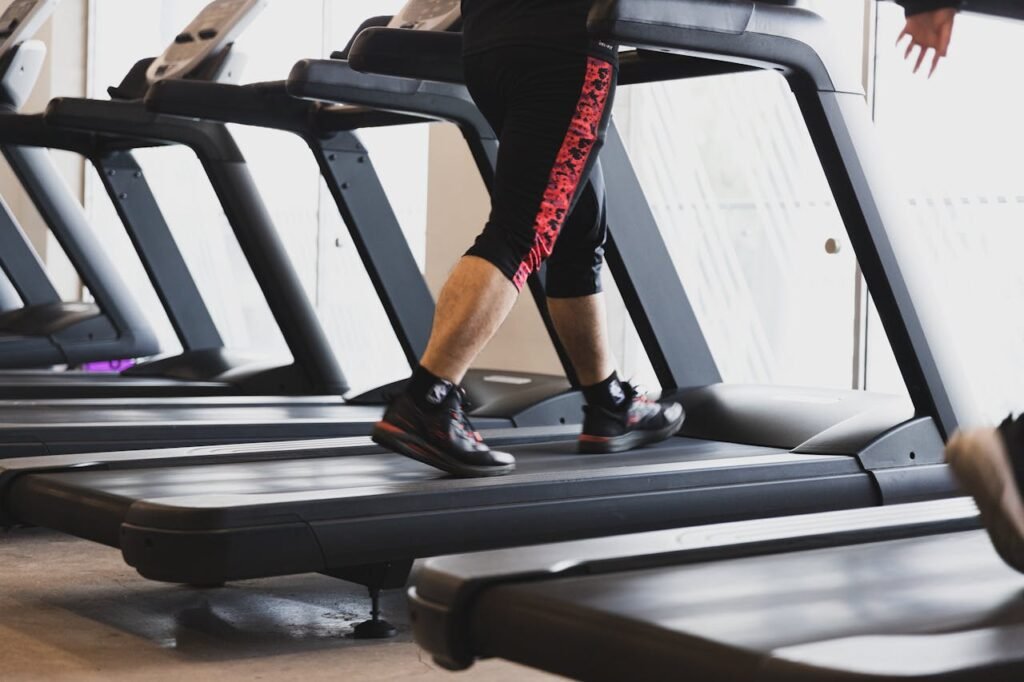
If you’re wondering, “will running burn belly fat?” Yes, it can help a lot because it burns calories and builds fitness. But your weekly total matters more than one hard run.
Pick one of these simple templates and repeat it for 3 to 4 weeks before you judge results:
- Brisk walk (easy win): 30 to 45 minutes at a pace that makes you warm and slightly out of breath, 4 to 6 days per week.
- Run-walk intervals (beginner-friendly): 5-minute warm-up walk, then 10 rounds of 1 minute easy jog plus 1 minute walk, finish with a 5-minute walk (about 25 minutes total).
- Low-impact bike or row: 25 to 40 minutes at a steady effort, keeping your breathing rhythmic.
No equipment at home? Do marching intervals (1 minute fast march, 1 minute easy) for 20 to 30 minutes, or do stair repeats if you have stairs. Dance also counts if you keep moving.
Short HIIT workouts for belly fat loss at home (15 to 20 minutes)
HIIT works best when it’s short, focused, and not every day. Do it 2 to 3 times per week max, with easier days between.
Here are two options you can rotate. Warm up 3 to 5 minutes first (easy marching, hip circles, arm swings).
| Level | Format | Moves (cycle through) | Total |
|---|---|---|---|
| Beginner | 20 seconds work, 40 seconds rest, 2 to 3 rounds | Fast marching or jumping jacks, bodyweight squats, low-impact mountain climbers, step-backs (instead of burpees) | 15 to 18 minutes |
| Intermediate | 30 seconds work, 30 seconds rest, 3 to 4 rounds | High knees (or low-impact), squats, mountain climbers, burpees (optional) | 18 to 20 minutes |
You should feel your heart rate climb fast, but your form shouldn’t fall apart. If your low back starts taking over, slow down and tighten your brace.
Strength training moves that help you lose fat and tighten your midsection
Strength training for belly fat works because it keeps muscle while you’re losing weight, and muscle helps your body burn more energy over time. It also improves your posture, so your waist looks cleaner from the front and side.
Use this simple guide: 2 to 4 sets of 8 to 12 reps for each move. Rest 60 to 90 seconds. Progress by adding reps first, then adding load (a heavier backpack), then adding one more set.
Squats build legs and glutes, and they train your core to brace. Keep your ribs stacked over your hips, don’t let your knees cave in.
Lunges (reverse lunges are easier on knees) hit your legs and challenge balance, which forces your midsection to work. Keep your front foot flat and your torso tall.
Hip hinge (good mornings or “deadlift pattern” with a backpack) is a sneaky tool for lower stomach fat workouts because it teaches you to use glutes and hamstrings instead of cranking your lower back. Push your hips back, keep a long spine, stop before you lose control.
Push-ups train your chest, shoulders, and abs together. Use an incline (hands on a couch) if you can’t keep a straight line from shoulders to heels.
Rows (band rows or a backpack row) are an underrated back fat workout and an “exercise for lower back fat” look, because they build your upper back and improve posture. Pull elbows toward your pockets, don’t shrug.
Lower belly and love handle finishers that build a flatter-looking core
These are your lower tummy exercises, not because they “burn lower abdominal fat,” but because they strengthen the muscles under it. Done with control, they help your waist feel tighter and look flatter as you lose fat.
Forearm plank: squeeze glutes, exhale, and keep your ribs down. If your low back arches, shorten the hold. Start with 3 x 20 to 30 seconds.
Side plank (for obliques, the love handle area): stack shoulders and hips, lift from your waist. Bend your bottom knee to scale it.
Dead bug: press your low back gently into the floor, move slow, and stop the rep when your back wants to lift. This is gold for lower ab control.
Leg raises or knee raises: bend knees first if straight-leg raises pull on your hip flexors. Think “curl pelvis up slightly,” not “swing legs.”
For a Pilates vibe (fat loss Pilates style), add toe taps or hundred prep (head down if your neck gets tense). Common mistakes: rushing reps, pulling your neck in crunches, and letting your lower back pop off the floor.
Put it together: a simple weekly workout plan for busy adults
You don’t need a complicated split to get results. You need repeatable weeks. Start each session with a 3 to 5-minute warm-up, finish with a 2 to 3-minute cool-down (easy walking, slow breathing, gentle hip flexor stretch).
Also, don’t ignore basics: sleep and stress won’t replace workouts, but they can make hunger louder and recovery worse. Keep it simple and steady.
3-day plan (best if you are starting or feel drained)
Day 1 (35 to 45 minutes): Strength (squat, row, push-up, hinge), then 6 to 8 minutes of core finishers.
Day 2 (25 to 40 minutes): Steady cardio (walk, bike, or run-walk), then 4 minutes of planks (front and side).
Day 3 (30 to 40 minutes): Beginner HIIT, then 2 strength moves you want to improve (2 to 3 sets each).
If you only have 10 minutes: do 5 minutes brisk marching plus 5 minutes of squats and incline push-ups.
4-day plan (faster progress without living in the gym)
Day 1: Strength + short core (35 to 45 minutes).
Day 2: HIIT (15 to 20 minutes), plus an easy walk later.
Day 3: Strength (35 to 45 minutes).
Day 4: Longer cardio session (40 to 60 minutes), keep it steady.
Recovery rule: if possible, keep at least one low-impact day between hard sessions. Your joints and nervous system will thank you.
Final Thought
The best belly fat exercises aren’t magic moves, they’re a routine you can repeat: full-body cardio for fat loss, short HIIT for time-efficient conditioning, strength training to keep muscle, and core work to tighten and support your posture. Pick the 3-day or 4-day plan, then track one simple metric (waist size or how your jeans fit). Aim for small weekly progress, not perfection. Start with today’s 20-minute session, show up again next week, and let consistency do what quick fixes never will.